Japanese Art and Kobayashi Kokei (Nature)
Lee Jay Walker
Modern Tokyo Times
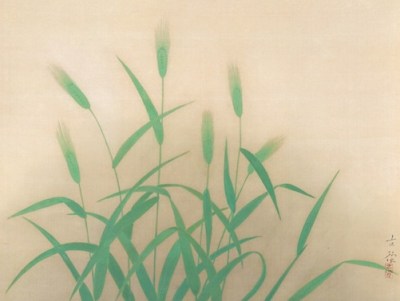
The Japanese painter Kobayashi Kokei (1883–1957) was born amid the snow-laden landscapes of Niigata Prefecture, a region whose quiet severity seems to echo through the measured stillness of his later art. From early childhood, his hand was already attuned to the refined discipline of Nihonga, the classical Japanese mode of painting that values restraint, clarity, and inner harmony over spectacle.
Yet Kokei’s formative years were shadowed by profound loss. His mother died when he was only four years old; not long after, his younger brother and father also passed away. By the age of thirteen, Kokei and his surviving sister were left to fend for themselves, bound together by grief and perseverance. This early confrontation with impermanence would quietly shape the emotional depth and composure that later defined his work.
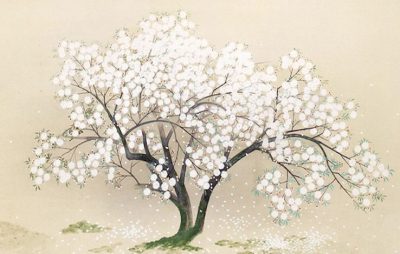
At sixteen, Kokei moved to Tokyo, carrying little more than resolve and a singular devotion to art. The hardships of his childhood did not embitter him; rather, they sharpened his determination. Painting became both refuge and calling — a space of stillness where sorrow could be transmuted into balance, line, and form.
The Hiroshima Museum of Art observes: “A Japanese-style painter. He was one of the representative members in the In-ten (Japanese Visual Arts Academy). He is said to have created ‘Neo-Classicism in Japanese-style painting’ with fresh and crisp spaces in simple compositions, colors, and lines.”
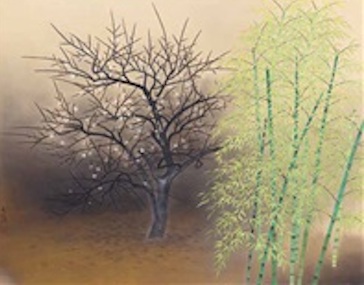
This assessment captures the essence of Kokei’s achievement. His art neither rejected tradition nor surrendered to nostalgia. Instead, he distilled the classical spirit of Japanese painting into compositions of luminous restraint — spare, lucid, and quietly modern.
In 1922, Kokei traveled to England, France, and Italy, encountering Western art and architecture firsthand. These journeys did not overwhelm his artistic identity; rather, they refined it. Immersed in unfamiliar cultures and visual languages, Kokei absorbed new perspectives while maintaining an independent and discerning eye.
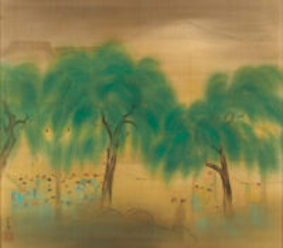
Upon returning to Japan in 1923, he turned with renewed intensity toward Japanese classical painting, now enriched by global experience. The result was not imitation, but synthesis — a body of work grounded in tradition yet invigorated by personal insight and international awareness.
Through hardship and contemplation, Kobayashi Kokei forged a vision of calm precision — a Neo-Classicism born not of theory alone, but of endurance, solitude, and an unwavering faith in the quiet power of art.

Modern Tokyo News is part of the Modern Tokyo Times group
http://moderntokyotimes.com Modern Tokyo Times – International News and Japan News
http://sawakoart.com – Sawako Utsumi’s website and Modern Tokyo Times artist
https://moderntokyonews.com Modern Tokyo News – Tokyo News and International News
PLEASE JOIN ON TWITTER
https://twitter.com/MTT_News Modern Tokyo Times
PLEASE JOIN ON FACEBOOK
 Modern Tokyo News