PM Sanae Takaichi wins Landslide Election in Japan
Kanako Mita, Sawako Utsumi, and Lee Jay Walker
Modern Tokyo Times
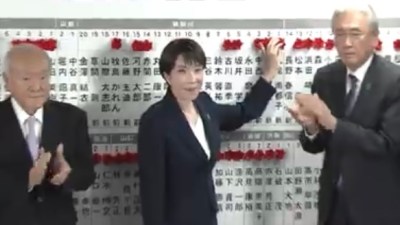
Prime Minister Sanae Takaichi of the ruling Liberal Democratic Party (LDP) became the first-ever female leader of Japan late last year following the resignation of Shigeru Ishiba. However, she elevated this milestone to an entirely new level by securing a crushing landslide victory at the ballot box, largely at the expense of an opposition that visibly wilted. Consequently, Takaichi becomes the first woman to be unequivocally endorsed by the Japanese electorate, following her resounding electoral triumph.
Under Takaichi’s leadership, the LDP captured 316 seats, a dramatic rise from the 191 seats won in the previous election. By contrast, the newly formed Centrist Reform Alliance (CRA)—a merger between the Constitutional Democratic Party (CDP) and Komeito (the LDP’s former coalition partner)—suffered a political calamity, securing only 49 seats, down sharply from 172. Given the scale of this defeat, resignations within the CRA appear not only inevitable but unavoidable.
Takaichi’s victory is historic in terms of seats won in the House of Representatives (Lower House). With 316 of the 465 seats, she achieved a supermajority of more than two-thirds and secured the highest number of seats in Japan’s electoral history.
Considering the recent corruption scandals within the LDP, the persistently weak yen, and the soaring cost of living, such a result would appear almost inconceivable in most democratic nations. Yet, despite lingering concerns over corruption and internal LDP failings—particularly those linked to the Moonies (Unification Church)—the electorate appears to have been won over by Takaichi’s clear right-wing stance and direct engagement with voters.
Komeito, which abruptly ended its 26-year alliance with the LDP shortly after Takaichi took office, must now engage in serious self-reflection. In hindsight, its withdrawal increasingly resembles a major strategic miscalculation by the Buddhist-based centrist party.
The BBC observed, “Her apparent success is in marked contrast to her two predecessors, under whom the party lost its parliamentary majority due to corruption scandals and rising costs.”
Accordingly, despite the LDP’s recent internal convulsions, Takaichi’s personal popularity surged and overcame skepticism in emphatic fashion.
The Guardian reported, “Takaichi sought to appeal to voters with a 21tn yen (£99bn) stimulus package aimed at easing the cost of living crisis, later promising to suspend the 8% consumption (sales) tax on food for two years – a 5tn-yen hit to annual revenue.”
Despite fears voiced by wealthy international financial figures and institutions, these proposals have been warmly welcomed by large sections of the public.
Takaichi stated, “We have consistently stressed the importance of responsible and proactive fiscal policy. We will prioritise the sustainability of fiscal policy. We will ensure necessary investments. Public and private sectors must invest. We will build a strong and resilient economy.”
Scott Bessent, the United States Treasury Secretary, praised Takaichi’s victory, declaring, “When Japan is strong, the US is strong in Asia.”
Her firm stance on reviewing foreign land ownership, tightening immigration controls, and proposing stricter penalties for non-payment of taxes and health contributions by foreign nationals has struck a chord—particularly among younger voters.
As a result, centrist positions increasingly appear disconnected from prevailing public sentiment, despite foreign nationals comprising only around 3% of Japan’s population. Many Japanese express concern about following the path of Western nations where native populations have become minorities in major cities such as London.
China’s confrontational response to Takaichi’s remarks on Taiwan also appears to have resonated domestically, especially as she refused to retreat or dilute her position.
Ultimately, Takaichi must now deliver. Around the world, politicians frequently promise “fresh hope” yet fail to translate rhetoric into reality. For Japan, after decades of economic and social stagnation, the expectation is clear: that Takaichi’s leadership and policies will reignite national confidence and offer genuine hope, rather than another missed opportunity.

Modern Tokyo News is part of the Modern Tokyo Times group
http://moderntokyotimes.com Modern Tokyo Times – International News and Japan News
http://sawakoart.com – Sawako Utsumi and Modern Tokyo Times artist
https://moderntokyonews.com Modern Tokyo News – Tokyo News and International News
PLEASE JOIN ON TWITTER
https://twitter.com/MTT_News Modern Tokyo Times
PLEASE JOIN ON FACEBOOK
 Modern Tokyo News