Japanese Art and Kobayashi Kokei (1883–1957)
Lee Jay Walker
Modern Tokyo Times
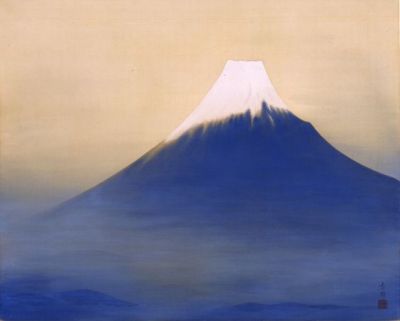
The Japanese artist Kobayashi Kokei (1883–1957) was born in Niigata Prefecture, a region of shifting skies and austere beauty that quietly echoed through his later work. From early childhood, Kokei showed a natural affinity for drawing, gravitating instinctively toward Nihonga—Japanese-style painting rooted in tradition yet open to refinement.
His early life, however, was marked by profound sorrow. His mother died when he was only four years old; soon after, his younger brother and father also passed away. By the age of thirteen, Kokei and his surviving sister were left to fend for themselves, navigating hardship with little protection. These formative losses etched a quiet gravity into his character—one that would later surface in the restraint and emotional depth of his art.
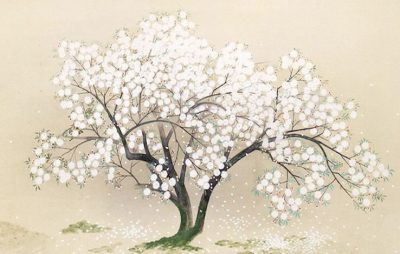
At sixteen, Kokei moved to Tokyo, carrying both ambition and grief. Art became not merely a vocation but a refuge—an inner sanctuary through which he could impose order, beauty, and meaning upon a life shaped by instability. Determined to succeed, he pursued painting with an intensity born of necessity rather than privilege.
The Hiroshima Museum of Art describes Kokei as: “A Japanese-style painter. He was one of the representative members of the In-ten (Japanese Visual Arts Academy). He is said to have created ‘Neo-Classicism in Japanese-style paintings’ with fresh and crisp spaces in simple compositions, colors, and lines.”
This assessment captures the essence of Kokei’s achievement. His work distilled classical Japanese aesthetics into compositions of remarkable clarity—quietly modern without abandoning tradition. Space, line, and color were treated with disciplined elegance, allowing silence and restraint to speak as powerfully as form.
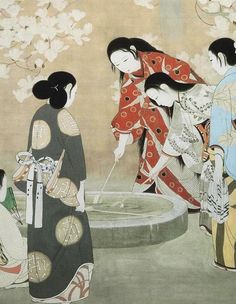
In 1922, Kokei traveled to England, France, and Italy, encountering Western art, architecture, and philosophy firsthand. These journeys broadened his vision, not by displacing his roots, but by sharpening his independence of thought. Upon returning to Japan in 1923, he turned with renewed focus toward Japanese classical painting, re-engaging it through a personal lens shaped by global experience.
Thus, Kokei’s mature work emerged at the intersection of loss and resolve, tradition and reinvention. His paintings stand as quiet testaments to endurance—where classical beauty is neither nostalgic nor rigid, but living, disciplined, and deeply humane.

Modern Tokyo News is part of the Modern Tokyo Times group
http://moderntokyotimes.com Modern Tokyo Times – International News and Japan News
http://sawakoart.com – Sawako Utsumi and her website – Modern Tokyo Times artist
https://moderntokyonews.com Modern Tokyo News – Tokyo News and International News
PLEASE JOIN ON TWITTER
https://twitter.com/MTT_News Modern Tokyo Times
PLEASE JOIN ON FACEBOOK
 Modern Tokyo News