Pakistan Bombs Terrorists in Afghanistan (Taliban Condemns Civilian Deaths)
Kanako Mita, Sawako Utsumi, and Lee Jay Walker
Modern Tokyo Times
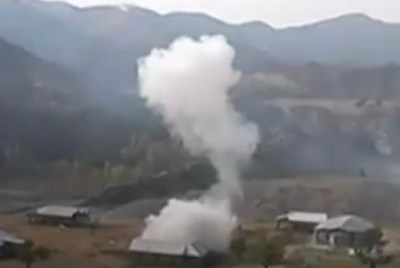
Pakistan has carried out air strikes inside Afghanistan in a complex military operation targeting what it described as entrenched Islamist militant positions. The government in Islamabad stated that the strikes were aimed at dismantling Sunni extremist camps believed to be operating along the porous border region.
The Taliban, which governs Afghanistan, condemned the operation as a violation of Afghan sovereignty and claimed that civilian areas were hit. Taliban officials said a Muslim religious school and residential homes were struck, resulting in the deaths of adults and children.
Pakistan, however, rejected these claims, insisting that the strikes eliminated several terrorist camps linked to cross-border attacks. According to the BBC, Islamabad said seven alleged militant hideouts were targeted near the Afghanistan–Pakistan frontier, following a wave of recent suicide bombings inside Pakistan.
Afghanistan’s Ministry of Defense described the strikes as a “blatant violation” of national sovereignty and a “clear breach” of international law upheld by the United Nations.
Pakistan remains under persistent pressure from Islamist militancy, particularly from groups such as Tehreek-i-Taliban Pakistan (TTP) and the Hafiz Gul Bahadur Group. Islamabad argues that these Sunni Takfiri groups exploit safe havens inside Afghanistan to conduct attacks against Pakistani civilians, security forces, and religious minorities. From Pakistan’s perspective, the air strikes were framed as a matter of national survival rather than escalation.
Compounding these challenges, Pakistan continues to face a long-running separatist insurgency in Balochistan, further straining internal security. Together, militant violence and internal unrest have fueled recurring clashes along the Afghanistan–Pakistan border, where confrontations between armed forces have become increasingly frequent.
The latest strikes underscore the fragility of the October 2025 ceasefire between the two neighbors. Casualty figures remain sharply disputed: Taliban authorities claim at least 18 civilians were killed, while Pakistan maintains that roughly 70 militants were eliminated.
According to CNN, Afghan officials reported that women and children were among those killed in Nangarhar province, with bodies still being recovered from rubble in the aftermath of the strikes.
Pakistan remains adamant that recent terrorist attacks within its borders were carried out “at the behest of Afghanistan-based leadership and handlers.” The Taliban categorically denies these accusations.
Both Afghanistan and Pakistan maintain working relations with major regional powers such as China and the Russian Federation, each of which has strategic interests in regional stability and counterterrorism. Yet Beijing and Moscow have so far remained cautious, treating the crisis as a bilateral matter. Whether either power will step in to mediate remains uncertain, as tensions continue to simmer with the potential to escalate beyond the control of both Kabul and Islamabad.

Modern Tokyo News is part of the Modern Tokyo Times group
http://moderntokyotimes.com Modern Tokyo Times – International News and Japan News
http://sawakoart.com – Sawako Utsumi’s website and Modern Tokyo Times artist
https://moderntokyonews.com Modern Tokyo News – Tokyo News and International News
PLEASE JOIN ON TWITTER
https://twitter.com/MTT_News Modern Tokyo Times
PLEASE JOIN ON FACEBOOK
 Modern Tokyo News