Saudi Arabia Warns Iran that “Patience” is Running Out
Kanako Mita, Sawako Utsumi, and Lee Jay Walker
Modern Tokyo Times
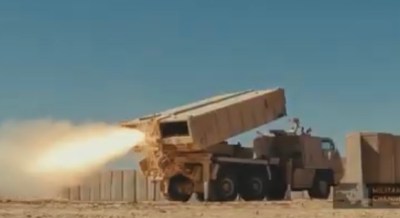
Saudi Arabia has issued its clearest warning yet to Iran, declaring that it “reserves the right” to respond militarily if ballistic missile strikes, drones, and other hostile actions continue to threaten the Gulf.
The six members of the Gulf Cooperation Council—Bahrain, Kuwait, Oman, Qatar, Saudi Arabia, and the United Arab Emirates—are increasingly alarmed by Tehran’s actions following intensified military strikes by the United States and Israel on Iranian targets. In a rare show of collective resolve, the bloc pledged to “take all necessary measures” to defend their territories, populations, and critical infrastructure. Yet, despite mounting pressure, these nations have thus far exercised restraint, clinging to the hope that diplomacy might still avert a wider regional war—though for how much longer remains uncertain.
Speaking with unusual directness, Faisal bin Farhan Al Saud warned: “This pressure from Iran will backfire politically and morally… and certainly we reserve the right to take military actions if deemed necessary.”
His remarks signal a shift from cautious diplomacy toward a more assertive posture as tensions escalate.
The regional temperature has risen sharply following Israeli strikes on Iran’s vital South Pars gas field—a critical artery of the country’s energy sector. In response, Iran has threatened to target oil and gas installations across the Gulf and has already intensified missile and drone attacks against Qatar, Saudi Arabia, and the United Arab Emirates. The specter of energy infrastructure becoming a primary battlefield has heightened fears of global economic disruption alongside regional instability.
According to The Guardian, Iran’s threats mark a dangerous escalation, targeting fossil fuel infrastructure for the first time since the conflict began—an ominous expansion of the war’s scope that risks drawing in more actors.
Tensions were underscored dramatically in Riyadh, where Saudi air defenses reportedly intercepted incoming threats even as high-level diplomatic talks were underway. Delegations from Azerbaijan, Bahrain, Egypt, Jordan, Kuwait, Pakistan, Qatar, Syria, Turkey, and the United Arab Emirates were present—highlighting the fragile line between diplomacy and open conflict.
Farhan, reflecting a deepening rupture, stressed the collapse of trust: “If Iran doesn’t stop immediately, I think there will be almost nothing that can re-establish trust.”
He added pointedly that Saudi Arabia and its partners possess “very significant capacities and capabilities” should they choose to act—an unmistakable signal of deterrence, and perhaps preparation.
For now, Gulf nations continue to seek an accommodation—one that would compel Iran to halt attacks without igniting a broader war. Yet Tehran appears increasingly unmoved by such overtures.
Through its widening military posture across the Gulf, Iran risks deepening its regional isolation. States that once balanced caution with engagement are now edging toward firmer alignment against it, reinforcing a collective determination to protect sovereignty, energy lifelines, and regional stability.
The window for diplomacy is narrowing. What remains uncertain is whether restraint will endure—or whether the Gulf is drifting toward a far more dangerous confrontation.

Modern Tokyo News is part of the Modern Tokyo Times group
http://moderntokyotimes.com Modern Tokyo Times – International News and Japan News
http://sawakoart.com – Sawako Utsumi’s website and Modern Tokyo Times artist
https://moderntokyonews.com Modern Tokyo News – Tokyo News and International News
PLEASE JOIN ON TWITTER
https://twitter.com/MTT_News Modern Tokyo Times
 Modern Tokyo News