Japanese Art and Tosa Mitsuoki (Edo Period)
Lee Jay Walker
Modern Tokyo Times
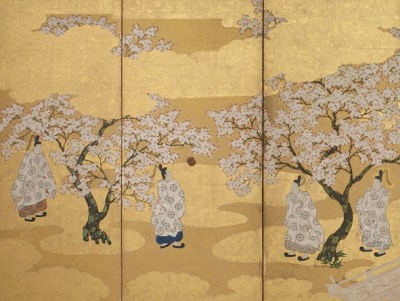
The Edo period dawned in the early seventeenth century like a curtain rising upon a transformed Japan—politically unified, culturally confident, and artistically restless. Within this new age stood Tosa Mitsuoki, a luminous figure of early Edo art and a devoted heir to the venerable Tosa lineage.
Born in 1617, Mitsuoki inherited not only a name but a fragile legacy. The Tosa school, long associated with courtly elegance, had suffered decline as warrior patronage and new tastes reshaped the cultural landscape. Yet Mitsuoki possessed both aesthetic sensitivity and strategic vision. By relocating to Kyoto—the spiritual and imperial heart of Japan—he reconnected the Tosa atelier with influential circles. Through refinement, diplomacy, and artistic brilliance, he restored the school’s prestige. Like the celebrated Kano masters, the Tosa name reinvented itself amid shifting currents, and Mitsuoki became the architect of that renewal. Through him, the family line—and adopted disciples bearing the Tosa name—flourished once more during the Edo era.
The Metropolitan Museum of Art notes that artists of the Tosa school are renowned for their refined and colorful yamato-epaintings, evoking quintessentially Japanese themes—courtly romance, seasonal transitions, and literary reverie. Scenes from The Tale of Genji shimmer with lyrical sensitivity under their brushes. Yet Mitsuoki’s genius extended further. He became equally celebrated for intimate bird-and-flower compositions—quails nestled among grasses or blossoms—works that reveal a subtle dialogue with the aesthetics of China’s Southern Song dynasty.
In this quiet world of feathers and petals, Mitsuoki balanced delicacy with compositional strength. A rare painting of two egrets poised beside cotton roses—unlike his more familiar quail subjects—demonstrates his versatility and poetic restraint. The stillness feels suspended in time; nature breathes in silence.
To understand Mitsuoki’s importance, one must look back to Tosa Mitsunobu, the true founder of the Tosa school. Mitsunobu’s brilliance, coupled with powerful connections to the imperial court, secured the school’s role as official painters. Indeed, the so-called “Three Brushes” of Tosa—Mitsunobu, Tosa Mitsunaga, and Mitsuoki—form a sacred triad within its lineage, each embodying renewal in different centuries.
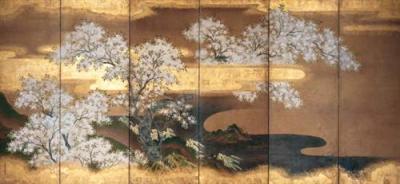
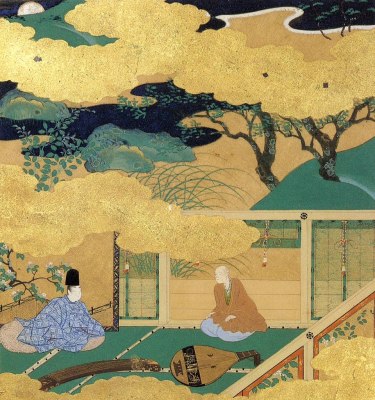
As the British Museum explains, the Tosa painters served as official artists to the imperial court from the fifteenth through the nineteenth centuries. Though the family name is said to derive from Tosa Province in Shikoku—linked to the thirteenth-century court painter Fujiwara no Tsunetaka—the Edo-period masters traced their artistic ancestry even further back, to the eleventh century. Their devotion to yamato-e and classical literature, especially Genji monogatari, sustained a uniquely Japanese aesthetic through centuries of change.
Thus, Mitsuoki’s achievement was not merely technical but civilizational. He stood at a crossroads—between court and warrior culture, between native tradition and continental influence, between fading prestige and revived glory. By galvanizing the Tosa school in the seventeenth century, he laid a firm and radiant foundation for its continued success throughout the Edo Period.
In his brush, the past did not wither. It blossomed anew.

Modern Tokyo News is part of the Modern Tokyo Times group
http://moderntokyotimes.com Modern Tokyo Times – International News and Japan News
http://sawakoart.com – Sawako Utsumi’s website and Modern Tokyo Times artist
https://moderntokyonews.com Modern Tokyo News – Tokyo News and International News
PLEASE JOIN ON TWITTER
https://twitter.com/MTT_News Modern Tokyo Times
PLEASE JOIN ON FACEBOOK
 Modern Tokyo News