Sahel Regional Crisis – Islamists and Geopolitical Rifts (Mali)
Kanako Mita, Sawako Utsumi, and Lee Jay Walker
Modern Tokyo Times
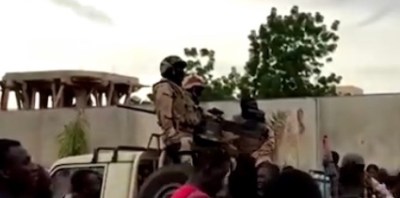
The Sahel has long endured cycles of upheaval, yet the present convulsions in Burkina Faso, Mali, and Niger appear to be eroding the very fabric of these states. Questions of democracy and military rule now intersect with Islamist insurgency, ethnic strain, and entrenched patronage, creating a volatile and deeply layered crisis.
These three nations have also distanced themselves from the authority of Economic Community of West African Stateswhile pushing back against France’s lingering colonial influence. In a bid to assert sovereignty, they established the Alliance of Sahel States and called for the withdrawal of French forces. Yet the early sense of momentum behind this realignment is now tempered by a harsher reality: Islamist groups are increasingly exploiting the resulting vacuum.
In Mali, both the Islamic State Sahel Province and the more entrenched Jama’at Nusrat al-Islam wal-Muslimin have intensified their operations, enforcing fuel and economic blockades that affect Bamako and other critical hubs. Once largely confined to the north and center, these forces are now pressing closer to the capital, signaling a dangerous geographic shift.
The influence of JNIM, in particular, has spread from its northern and central strongholds into Mali’s southern and western regions. By targeting vital trade and fuel corridors linking Mali with Senegal and Côte d’Ivoire, the group has exacerbated shortages and driven up the cost of living. Public hardship deepens, and with it, the authority of the central state continues to fray.
In territories under their control, these insurgents increasingly resemble a state within a state, imposing austere interpretations of Sharia law that displace local governance and long-standing traditions. Mali’s historically moderate Islamic practices now face mounting pressure from the Takfiri doctrines advanced by both JNIM and ISSP.
BEYOND BURKINA FASO, MALI, AND NIGER – CONCERN IS GROWING
Benin, Ghana, Togo, Senegal, and Mauritania watch developments with unease, while the Lake Chad basin remains a volatile epicenter. Groups originating in Nigeria—notably Boko Haram and the Islamic State West Africa Province—have extended their reach into Cameroon, Chad, and Niger, weaving a wider arc of instability across borders.
Meanwhile, in northern Mali, the Coordination of Azawad Movements continues to articulate longstanding Tuareg grievances, underscoring that the region’s tensions are not solely ideological but also political and historical.
In this fraught landscape, it is incumbent upon actors such as the United States, European Union, Economic Community of West African States, and the Group of Seven to engage constructively with Sahelian states. Economic partnership and calibrated security assistance remain essential—but they must be grounded in genuine dialogue and respect for local priorities.
Only by listening carefully and responding to the region’s distinct security and developmental needs can the international community hope to contain extremism and arrest further decline. Without such a recalibration—both within the Sahel and beyond—the trajectory is stark: deeper instability, expanding poverty, and the steady displacement of populations in search of safety.

Modern Tokyo News is part of the Modern Tokyo Times group
http://moderntokyotimes.com Modern Tokyo Times – International News and Japan News
http://sawakoart.com – Sawako Utsumi’s website and Modern Tokyo Times artist
https://moderntokyonews.com Modern Tokyo News – Tokyo News and International News
PLEASE JOIN ON TWITTER
https://twitter.com/MTT_News Modern Tokyo Times
PLEASE JOIN ON FACEBOOK
 Modern Tokyo News