Tokyo Tourism and Faith (Nezu Shinto Shrine)
Noriko Watanabe and Sawako Utsumi
Modern Tokyo Times
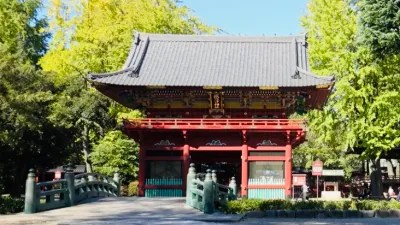
Tourism in Tokyo offers a seemingly endless tapestry of experiences, where futuristic energy coexists effortlessly with echoes of the distant past. From the dazzling fashion epicenters of Aoyama, Ginza, Harajuku, Ikebukuro, Omotesando, Shibuya, and Shinjuku, to the more intimate and independent atmospheres of Ebisu, Koenji, and Shimokitazawa, the city possesses a magnetic dynamism that constantly reinvents itself while remaining deeply rooted in tradition.
Yet Tokyo’s appeal extends far beyond fashion alone. The city entices visitors through countless cultural and artistic avenues: the electric world of Akihabara with its anime, cosplay, and electronics culture; the timeless atmosphere of Asakusa; elegant eateries tucked away in narrow streets; refined galleries and museums; tranquil gardens; the dignified surroundings of the Imperial Palace; the natural beauty of Mount Takao and Okutama; the modern waterfront allure of Odaiba; and the commanding silhouettes of Tokyo Skytree and Tokyo Tower rising above the sprawling metropolis. Tokyo is a city where every district appears to unveil another layer of discovery.
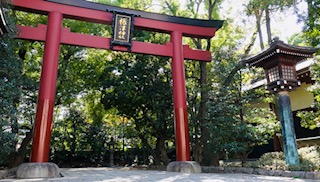
However, beyond the neon lights, commercial splendor, and restless rhythm of urban life, the spiritual heart of Tokyo continues to endure quietly. Accordingly, visiting Buddhist temples and Shinto shrines remains essential — irrespective of whether one approaches these sacred spaces from a spiritual perspective or through simple cultural curiosity. Temples and shrines welcome all who enter, offering places of reflection amid one of the world’s largest urban landscapes. Therefore, taking time to appreciate their architecture, symbolism, gardens, silence, and atmosphere becomes deeply rewarding. In these sacred precincts, one can momentarily escape the velocity of modern Tokyo and reconnect with older rhythms shaped by faith, nature, and history.
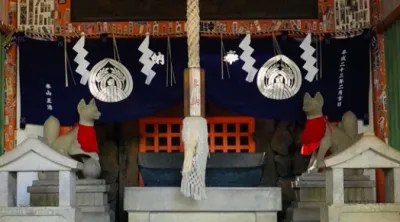
Among the many religious treasures scattered across the capital, the beautiful Nezu Shrine stands out for its elegance, serenity, and historical resonance. Although formally opened in 1705 during the Edo Period, the shrine’s origins stretch much further into the distant past. Architecturally, it follows the refined Shinto style known as Ishi-no-ma-zukuri, whereby the haiden (worship hall) and honden (main sanctuary) are joined beneath the same flowing roof structure, creating a harmonious design reminiscent of the shape of the letter “H.” The shrine’s vermilion structures, tranquil pathways, and atmospheric surroundings evoke the lingering beauty of old Edo, allowing visitors to glimpse a quieter and more contemplative Tokyo.
Traveling to Nezu Shrine via the Tokyo Metro Chiyoda Line also enables visitors to experience a wonderfully eclectic journey across the capital. Districts such as Nishi-Nippori, Hibiya, and Omotesando each reveal strikingly different dimensions of Tokyo life. Consequently, within only a handful of train stops, one can move effortlessly between spirituality, refined modernity, traditional neighborhoods, fashionable boulevards, and cultural discovery. This contrast is part of Tokyo’s enduring enchantment: a city where the sacred and the contemporary exist side by side, enriching one another in quiet harmony.

Modern Tokyo News is part of the Modern Tokyo Times group
http://moderntokyotimes.com Modern Tokyo Times – International News and Japan News
http://sawakoart.com – Sawako Utsumi’s website and Modern Tokyo Times artist
https://moderntokyonews.com Modern Tokyo News – Tokyo News and International News
PLEASE JOIN ON TWITTER
PLEASE JOIN ON FACEBOOK
 Modern Tokyo News