Tag: Japanese art and culture
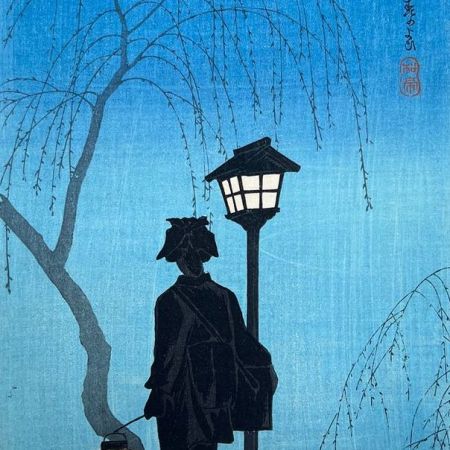
Japanese Art and Takahashi Shōtei: World in Blue
Japanese Art and Buddhism, Culture, and Nature
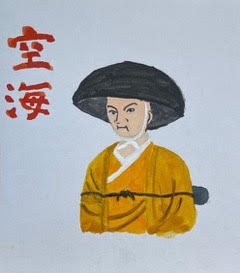
Japanese Art and Buddhism: Kukai and Nichiren
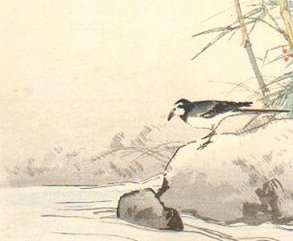
Japan Art and Matsubayashi Keigetsu (China and the Middle Kingdom)
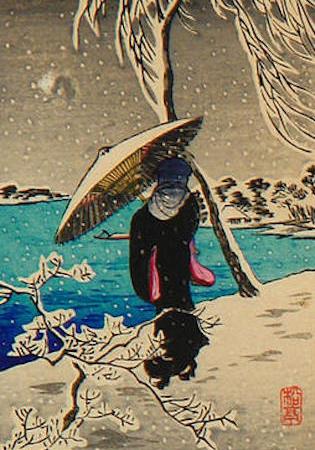
Japan art and Takahashi Shōtei
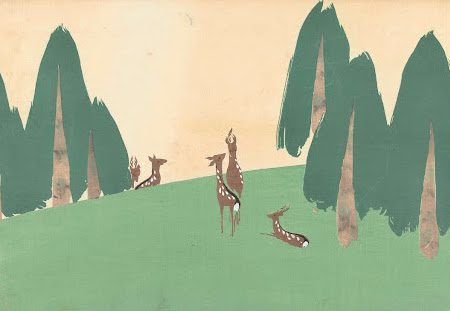
Rinpa Art and Kamisaka Sekka
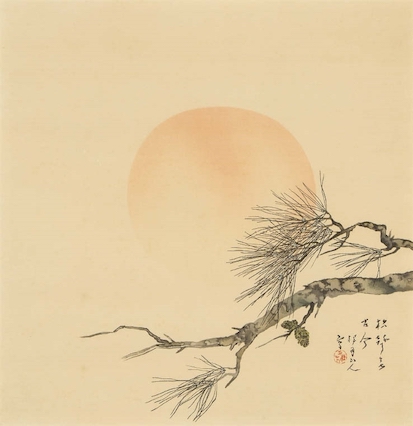
Japan Art and Matsubayashi Keigetsu: Pine and Cherry Blossom

Japan Art from 15th and 16th Century: Buddhism and China
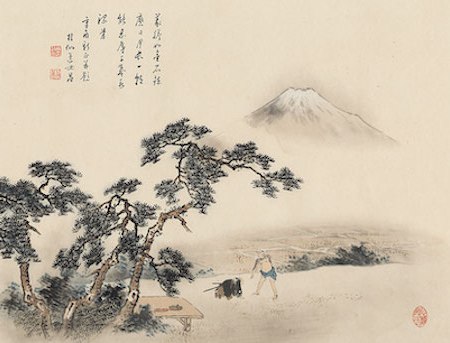
Japan Art and Keisen Ikeda: Culture and Landscapes

Japan Art and Sōami: Zen Buddhism and China

Japan art and Takahashi Shotei: Buddhism, Shinto, and landscapes
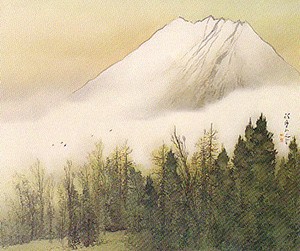
Japan art and Matsubayashi Keigetsu: Influence of China
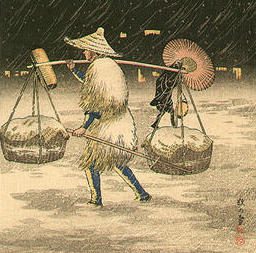
Japan art and Takahashi Shotei (1871-1945)
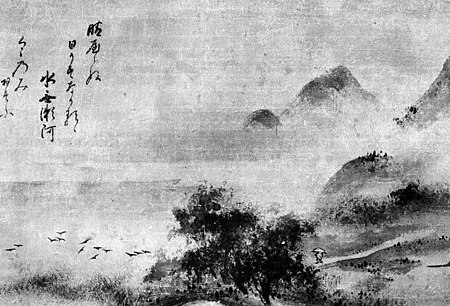
Soami and Japanese art: Middle Kingdom of China
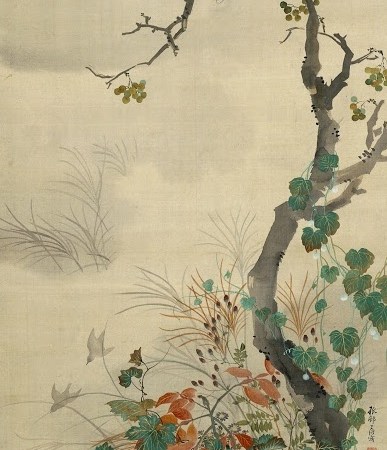
Japan art and Ikeda Koson: Solace of nature
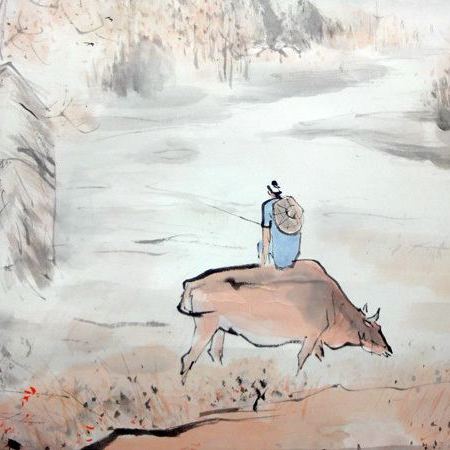
Japan art and Hashimoto Kansetsu: Impact of Chinese culture
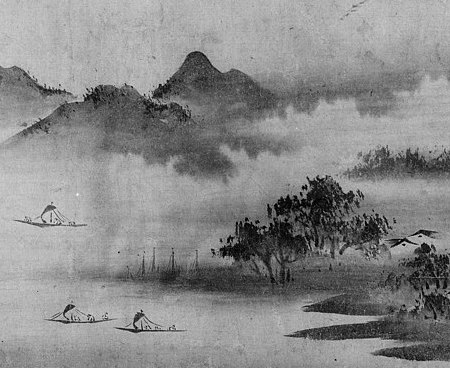
Japan art and Soami: Buddhism, China, and landscapes

Japan art and Ikeda Koson: Edo artist
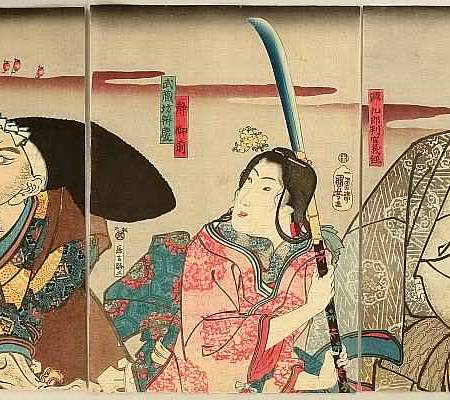
Art of Japan and holy Buddhist warrior of the twelfth century
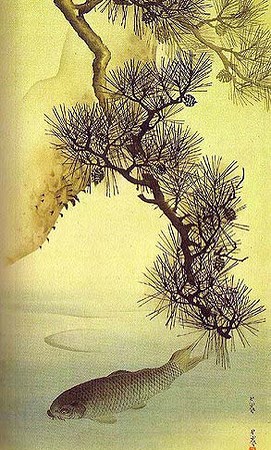
Japan art and Goshun: Flow of Buddhism, China, Confucianism, and Kansai
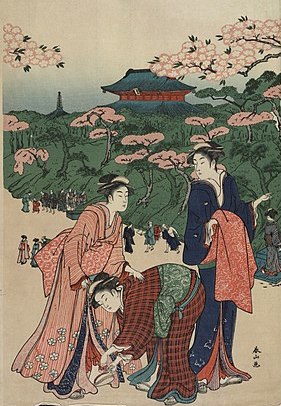
Japan art and the Edo artist Katsukawa Shunzan
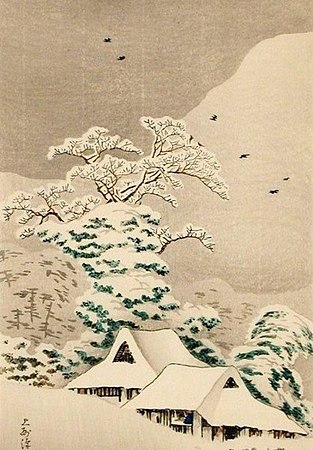
Japan art and Takahashi Shōtei: Beauty of snow

Japan at and Yoshida Hiroshi (1876-1950): Lover of nature
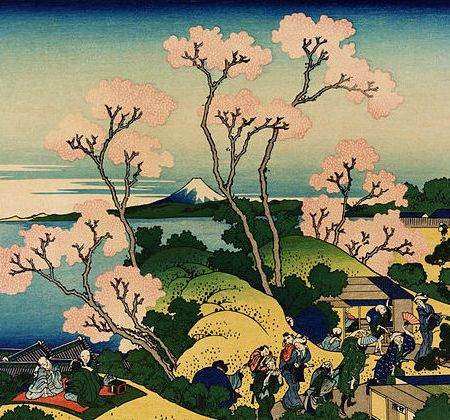
Japan art and Hokusai: Mount Fuji and the working-class
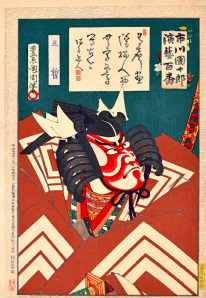
Japan art and the last Meiji ukiyo-e flourish
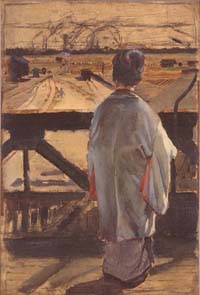
Japan art and Takeshiro Kanokogi: A world turned upside down
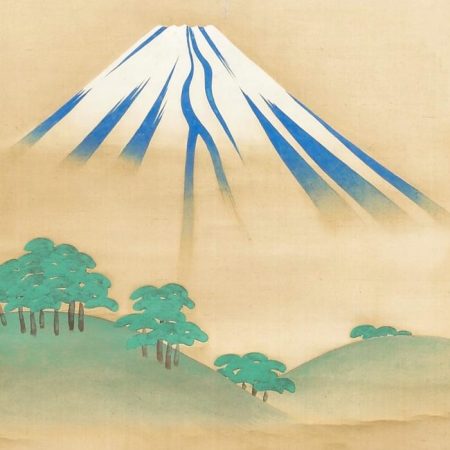
Japan art and Sakai Dōitsu (1845-1913): Mount Fuji
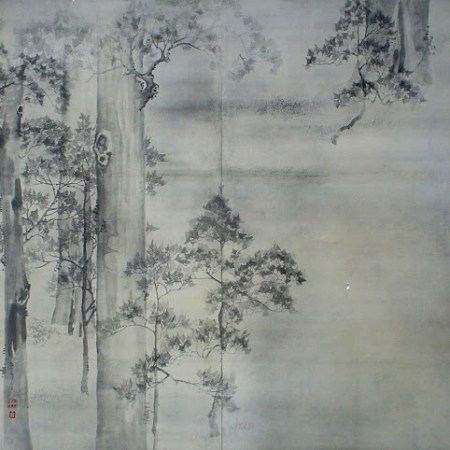
Art of Japan and Ikeda Koson: Hinoki Cypresses

Art of Japan and the Middle Kingdom (China): Buddhism, Confucianism, and other ideas
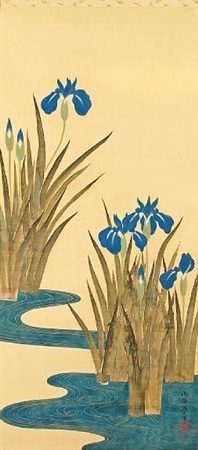
Japan art and continuity despite rapid political changes: Sakai Dōitsu (1845-1913)
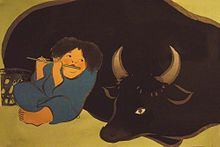
Japanese art and never-never land
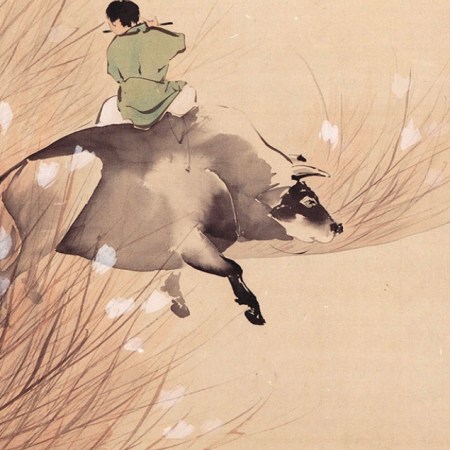
Art of Japan: A flower cut down before full bloom
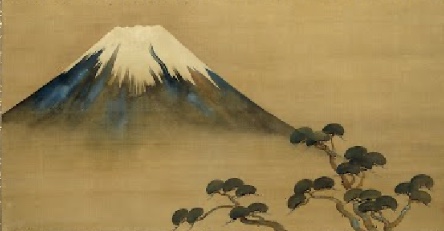
Rinpa art: The bridge of Edo and Meiji on his artistic soul
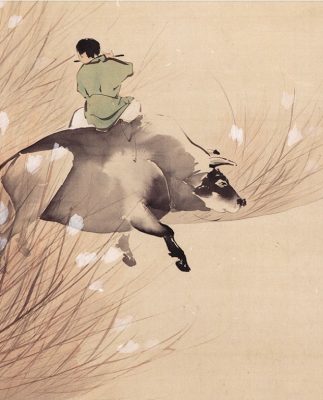
Japan Art: Cut down before his artistic prime of life
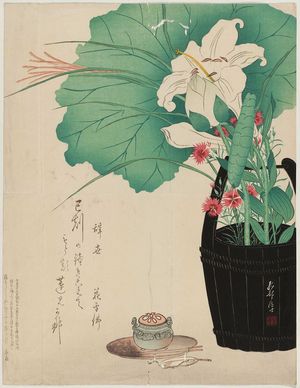
Rinpa art and freestyle: Nineteenth-century Japanese artist
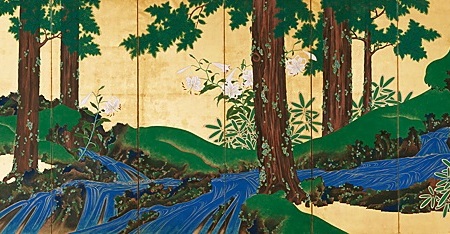
Art of Japan during the last years of Edo
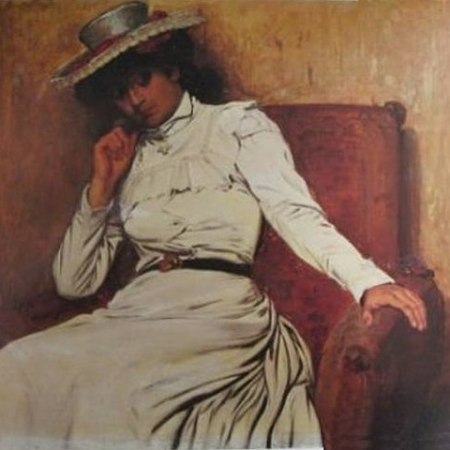
Japanese art, the impact of Paris, and the shadow of war: Kanokogi
Japan art and Sakai Dōitsu: His heart belonged to the old world

Zen Buddhist art of Japan: Hakuin Ekaku and teacher of all
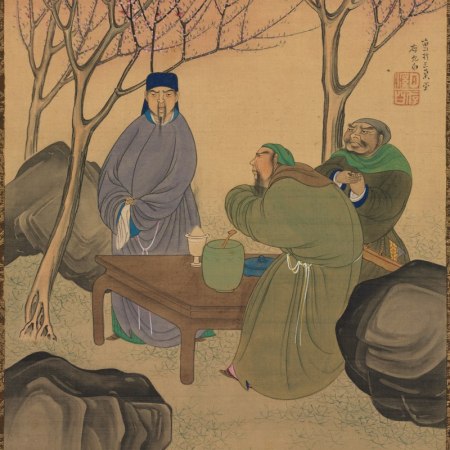
Japan art and Goshun (1752-1811): The richness of Chinese and Japanese high culture
Japanese art and Suzuki Reitan (1792-1817): Early death before full bloom
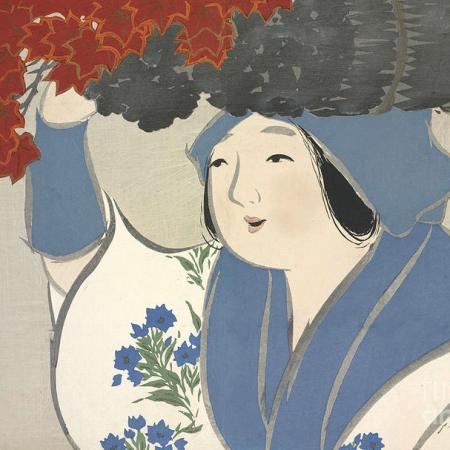
Japan art and Kamisaka Sekka (1866-1942): A delightful dream world
Japan art and Sakai Dōitsu (1845-1913): The richness of rinpa art
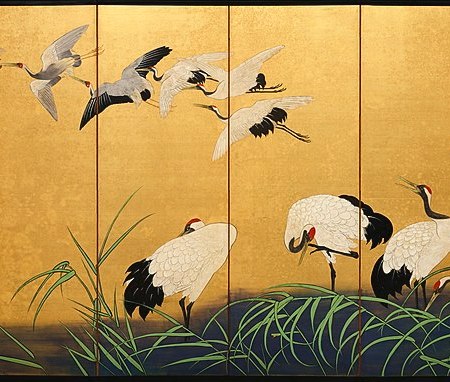
Japanese art and Suzuki Kiitsu (1796-1858): Late Edo artist of Rinpa
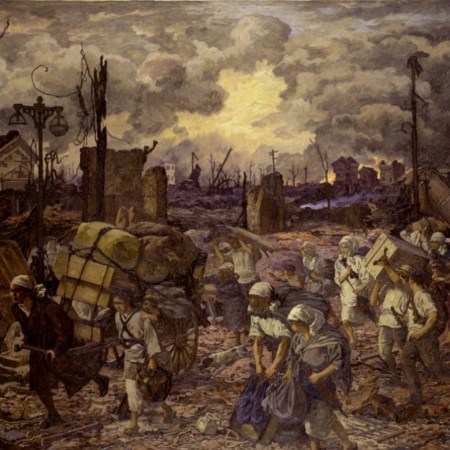
The influence of France on the Meiji born Japanese artist

Japanese art and Torii Kiyonaga (1752-1815)

Art of Japan and the entangled state

Art and Buddhism crossing from the Middle Kingdom to the Land of the Rising Sun

A Japanese artist who bridged the pre-Edo and start of the Edo Period

Buddhism and Japan Art: The influence of the Middle Kingdom
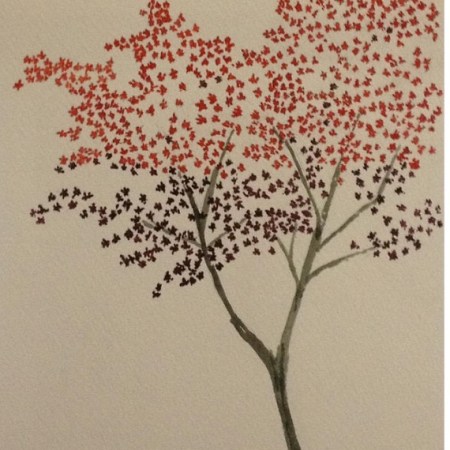
Japanese art through the lens of familiarity but in a changed entangled state
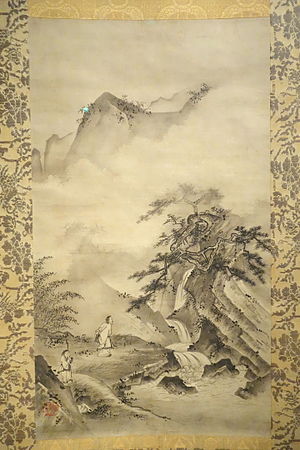
Sōami and art of Japan: Aesthetics, Buddhism, and the Middle Kingdom

Art of Japan in the sixteenth century and the sword and the brushstroke
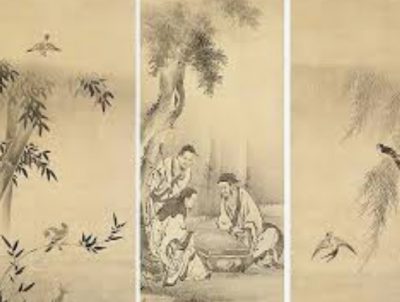
Japanese art and power concentration: Kano Sanraku (1559-1635)
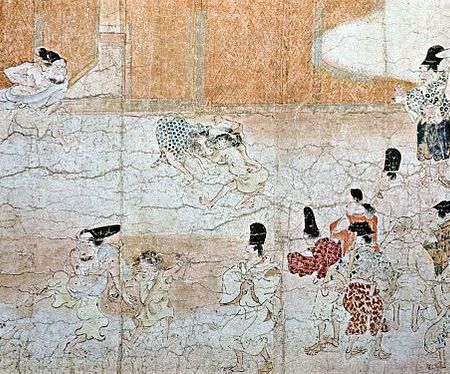
Art of Tokiwa Mitsunaga and the backdrop of political intrigues in twelfth-century Japan
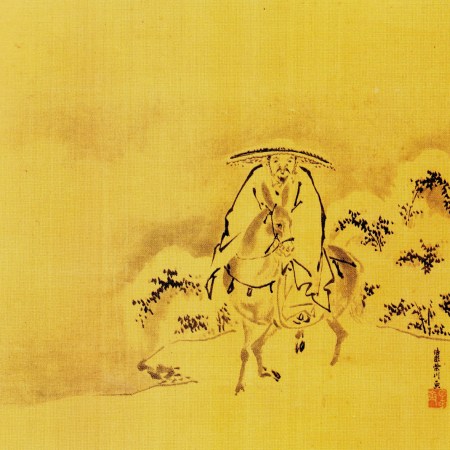
Kano Michinobu (1730-1790) and Japanese art

Matsumura Goshun and Japan art: The shadow of death and influence of Yosa Buson

Japan poetry and the female poet Komachi: Heartfelt passion from the distant past
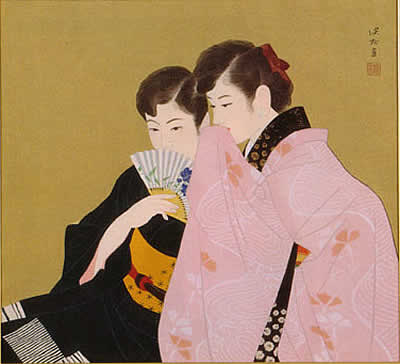
Ito Shinsui and Japanese art: Poverty to continuity

Kano Sanraku (1559-1635) and art of Japan: The world of power concentration
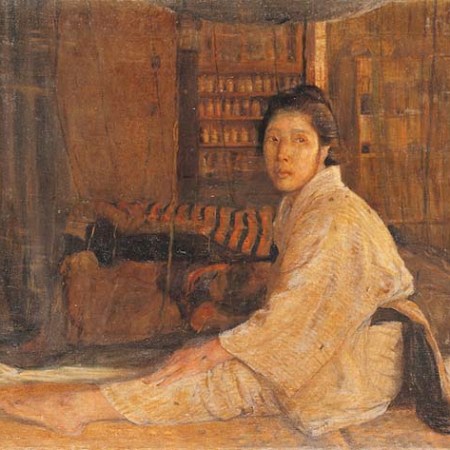
Kanae Yamamoto and Japan art: Economic perils of his early life (Part One)

Takeshiro Kanokogi and art of Japan: The influence of France

Japan art and Confucianism: The Bleak reality of Seppuku for a thoughtful artist
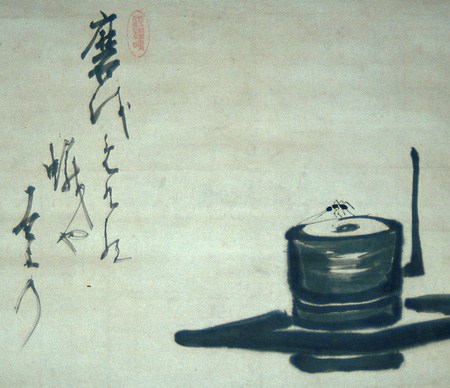
Zen Buddhism and Japanese Art: Taking Rinzai Buddhism to the rural poor
Japanese art, Goshun, and the influence of Buson: The artistic heaven on earth

Buddhist art and the Japanese priest Mokuan Reien: The Middle Kingdom and Mu Qi
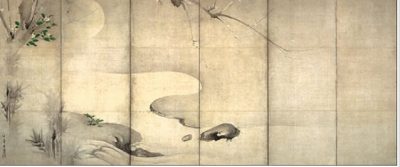
Art of Buddhism in China and Japan: The shadow of Liang K’ai (1140-1210) on Kaihō Yūshō (1533-1615)
The richness of Japanese art during the warring times: Kano Eitoku (1543-1590)

Art of Japan and Kano Michinobu (1730-1790)
Kano Sanraku (1559-1635) and Japanese art: Centralization and continuity

Art of Japan and the two paths of Buddhism and Shintoism: Faith in the snow without Abraham

Art of Japan and Kiyoo: Social and political convulsions but artistic continuity

Japan art of the twelfth century: Annual rites and ceremonies

Japanese art and Takeshiro Kanokogi: Influence of Jean-Paul Laurens and Emile-Rene Menard

Art of Japan and Matsumura Goshun: Impact of high culture, Yosa Buson, and the shadow of death

Art of Zen Buddhism in Japan: Hakuin Ekaku

Yokoyama Taikan and art of Japan: Creativity and the sentiments of the time
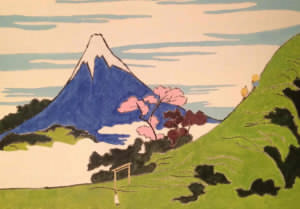
Mountains of Japan in art: Spirituality of Buddhism and Shintoism in a natural landscape
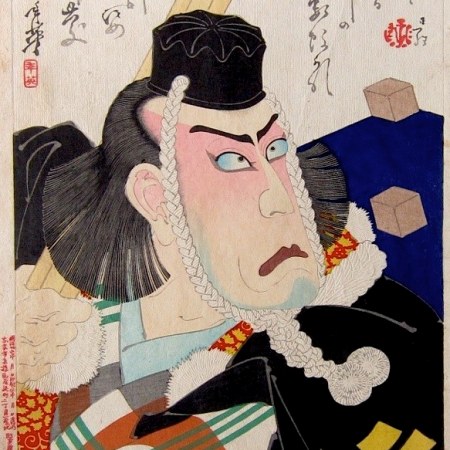
Art of Japan and a famous Buddhist Warrior of the twelfth century

Japan art and the paths of Shintoism and Buddhism: Holy men in the snow without Abraham
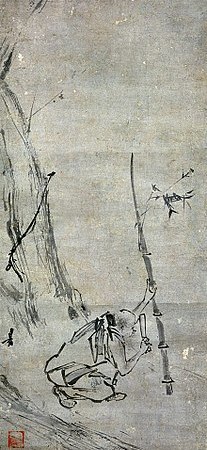
Buddhist art from China and Japan: Kaihō Yūshō (1533-1615) and the shadow of Liang K’ai (1140-1210)

Art of Japan and Sekka: Tranquility despite upheavals
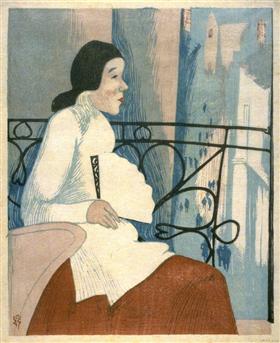
Kanae Yamamoto (Part Two) and art of Japan: Europe and Socialism

Japanese art and Kawamura Kiyoo (1852-1934): Changing times but sublime continuity
Japanese Art and Kano Michinobu (1730-1790)
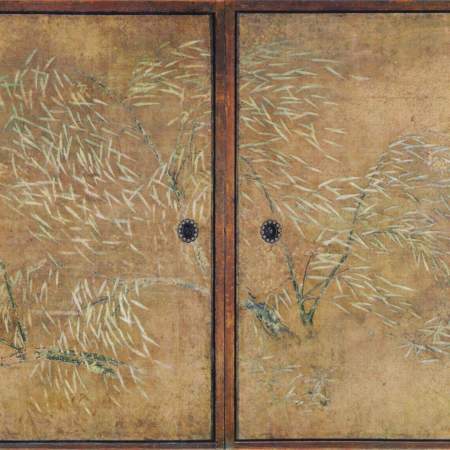
Kano Eitoku (1543-1590) and richness of Japanese art despite the warring times

Shini-e and Art of Japan: “I leave my brush in the East”

Japanese Art and Kano Sanraku (1559-1635): Centralization and continuity

 Modern Tokyo News