Starmer is Delusional: Local Elections, Epstein Crisis, and Members Ask Him to Resign
Kanako MIta, Sawako Utsumi, and Lee Jay Walker
Modern Tokyo Times
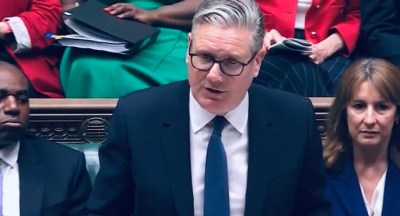
Prime Minister Keir Starmer of the United Kingdom appears increasingly detached from political reality. The scale of Labour’s losses in the recent local elections, the growing rebellion among MPs and ministers, the fallout surrounding Peter Mandelson and Jeffrey Epstein, and Starmer’s widening disconnect from Britain’s traditional working-class base all point to a leadership in visible decline.
The BBC reported: “Labour’s poor showing in the elections has fuelled further questions about Sir Keir’s leadership which have been growing for months.”
Sharon Graham, leader of the Unite trade union, warned that the “writing is on the wall” for Starmer’s government.
Other trade unions spoke of a “stark disconnect between the Labour government and working people” — a devastating assessment for a party historically rooted in labour movements and industrial communities.
Debbie Abrahams, MP for Oldham East and Saddleworth, acknowledged the political collapse unfolding across northern England, where once-loyal Labour strongholds are increasingly turning toward Reform. She bluntly argued that Starmer should “put the country first” and resign, giving Labour a chance to rebuild before the next general election.
Abrahams warned: “We have to recognise the dangers that we’re in now, that on this trajectory it doesn’t look good.”
Yet despite mounting internal fury — and countless MPs demanding that he step aside with dignity — Starmer remains politically insulated, seemingly incapable of grasping the scale of public anger or the collapse of confidence within his own ranks.
The Mandelson controversy only deepened this perception. Starmer was fully aware of Mandelson’s long-standing association with Jeffrey Epstein, one of the most notorious child sex offenders in modern history, yet proceeded regardless. Critics argue this reflected the same instinct that has defined Starmer’s leadership: protecting establishment interests while dismissing public outrage.
That criticism extends beyond Westminster intrigue. From the grooming-gang scandals that devastated towns such as Rotherham and Telford to broader questions surrounding social fragmentation and public trust, Starmer is accused by opponents of preferring managerial evasion over moral clarity. To many voters, particularly in working-class communities, Labour no longer appears willing to confront uncomfortable truths when they collide with elite sensitivities or political calculation.
The political damage is no longer confined to England. Labour’s setbacks across England, Scotland, and Wales exposed a party haemorrhaging credibility in areas once considered untouchable. Traditional Labour heartlands increasingly view the party as distant, technocratic, and culturally disconnected from ordinary voters.
The resignation of Health Secretary Wes Streeting intensified the crisis dramatically. In a blistering rebuke, Streeting declared: “But where we need vision, we have a vacuum. Where we need direction, we have drift. This was underscored by your speech on Monday. Leaders take responsibility, but too often that has meant other people falling on their swords.”
He continued: “You also need to listen to your colleagues, including backbenchers, and the heavy-handed approach to dissenting voices diminishes our politics.”
Streeting concluded with perhaps the most politically fatal assessment of all: “It is now clear that you will not lead the Labour Party into the next general election and that Labour MPs and Labour Unions want the debate about what comes next to be a battle of ideas, not of personalities or petty factionalism.”
Meanwhile, the BBC noted: “Keir Starmer faces a drawn-out wait for a potential leadership challenge, after Andy Burnham said he wanted to fight an upcoming by-election to return to Westminster.”
The deeper issue surrounding Starmer is no longer merely electoral weakness; it is the growing perception of political paralysis and personal ineptitude. His leadership style appears rooted in caution, ambiguity, and avoidance — traits that become fatal liabilities during periods of national frustration and economic strain.
Starmer’s critics increasingly argue that he neither understands the country nor possesses the instinctive political courage required to reconnect Labour with the voters abandoning it in droves. Every additional day he remains leader risks deepening Labour’s internal fractures while strengthening the perception that the party is incapable of renewal.
Often described by critics as the most unpopular leader in modern British political history, Starmer’s refusal to confront political reality may ultimately define his legacy. Rather than stabilising Labour, he risks dragging the party further into disillusionment, division, and electoral decline — with the consequences likely to linger long into the next general election.
MODERN TOKYO TIMES – MODERN TOKYO NEWS – please check https://moderntokyonews.com
Please check Modern Tokyo News at https://moderntokyonews.com for articles going back over 10 years. Sadly, Modern Tokyo Times got hacked and lost 14 years of articles…

Modern Tokyo News is part of the Modern Tokyo Times group
http://moderntokyotimes.com Modern Tokyo Times – International News and Japan News
http://sawakoart.com – Sawako Utsumi’s website and Modern Tokyo Times artist
https://moderntokyonews.com Modern Tokyo News – Tokyo News and International News
PLEASE JOIN ON TWITTER
https://twitter.com/MTT_News Modern Tokyo Times
PLEASE JOIN ON FACEBOOK
 Modern Tokyo News