
Tag: Japanese art and culture
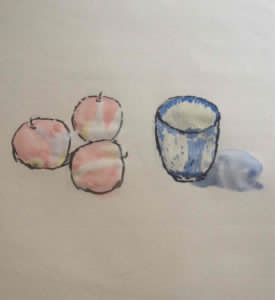
Japanese Art, Pythagoras, and Plotinus: Ideas from Simplicity

Famous Japanese Buddhist Warrior of the Twelfth Century and Japanese Art: Rich Legacy of Benkei

Japanese Art and the two paths of Buddhism and Shintoism: Faith in the Snow without Abraham
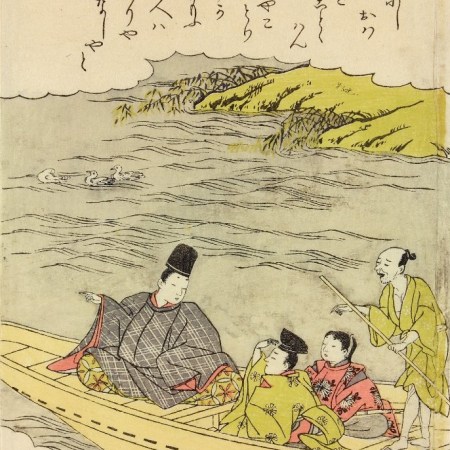
Katsukawa Shunshō and Japanese Art (1726-1793): Major Influence in the Edo Period
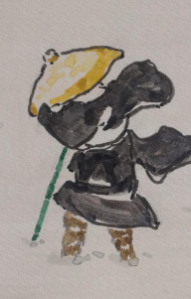
Japanese Art and Fusions of Sekka: Nightfall and the Allure of Buddhist Monks and Shintoism

Yorozu Tetsugoro and Japanese Art: independent artistic soul
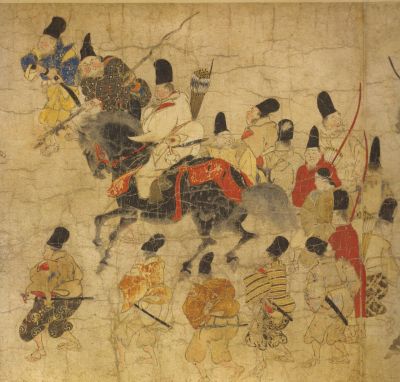
Tokiwa Mitsunaga and Art in Twelfth Century Japan: High Culture of A Clouded Sky

Art of Japan: Kanae Yamamoto Overcame Economic Adversity (Part
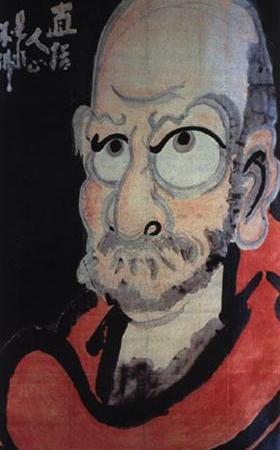
Zen Buddhism and Japanese Art: the Inspirational Life of Hakuin Ekaku
Twelfth Century Japanese Art of Tokiwa Mitsunaga: A Clouded Sky

Ukiyo-e Art of the Meiji Era is Undervalued
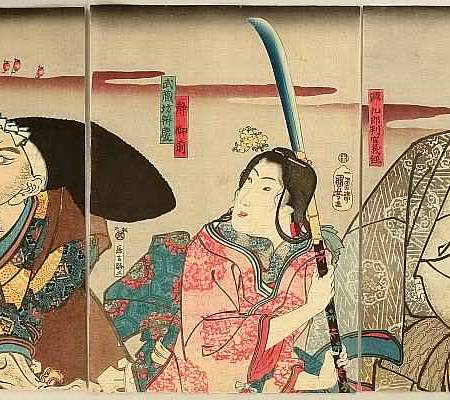
Holy Buddhist Warrior Monk and Japanese Art: Benkei (1155-1189)

Art of Japan and Changing Times through the Eyes of Yoshu Chikanobu (1838-1912)
Japan Art and Watanabe Kazan: Artist, Ideals of Confucianism, the State Apparatus, and Seppuku
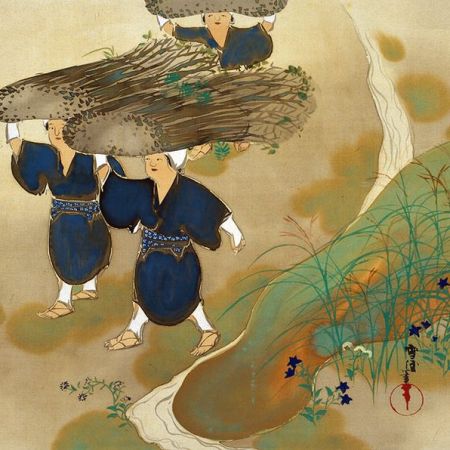
Japan Art and Sekka: Artistic Tranquillity despite Political Changes and Upheavals
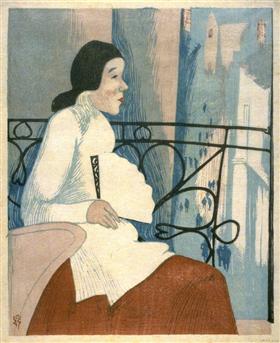
Japanese Art and Kanae Yamamoto (Part Two): Impact of Europe and Socialism
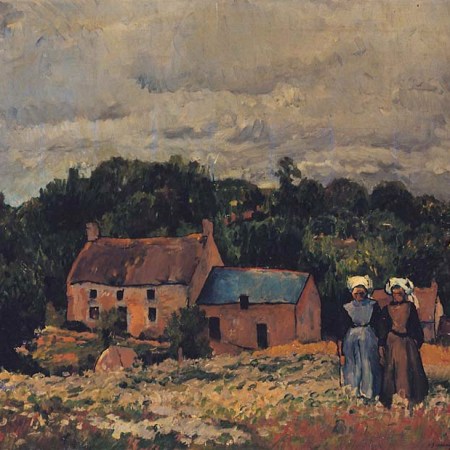
Japanese Art and Kanae Yamamoto (Part One): Difficult Early Years
Katsukawa Shunshō and Japanese Art (1726-1793): Major Influence in the Edo Period

Spirituality of Mountain Art in Japan: Buddhism, Shintoism, and Contemplation
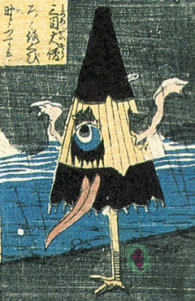
Japanese Folklore and Art: A Rather Mild Looking Ghost
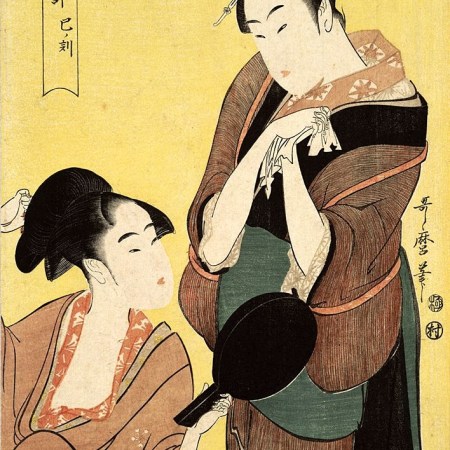
Japanese Art and Traditional Dress of Females

Folklore and Art by Kyosai: Tengu and Changing Nature within Buddhism and Shintoism

Japan and the Spirituality of Mountain Art: Buddhism, Shintoism, and Reflections
Art of Japan, Pythagoras, Plotinus, and Ideas of Utsumi: Kishida and Koide
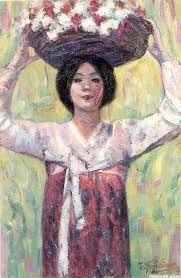
Japanese Artist Inspired by the Flows of Europe: Fujishima Takeji

Meiji Ukiyo-e Art is Undervalued
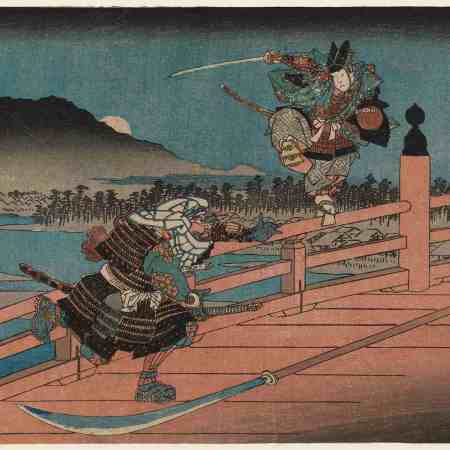
Buddhist Warrior Monk Benkei (1155-1189) in Japanese Art: Buddhism to Yamabushi
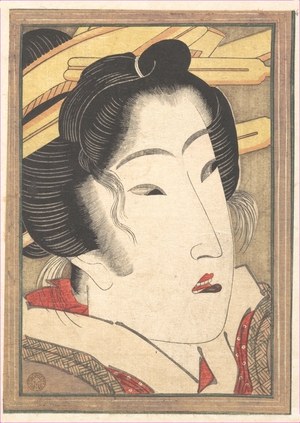
Art of Japan and Keisai Eisen: Tenaciousness in Adversity

Waka Poetry in Old Japan: Ono no Komachi and Myths
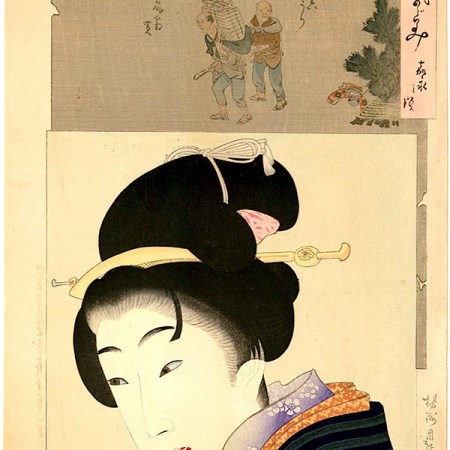
Yoshu Chikanobu (1838-1912) and Japanese Art: New Japan Emerges
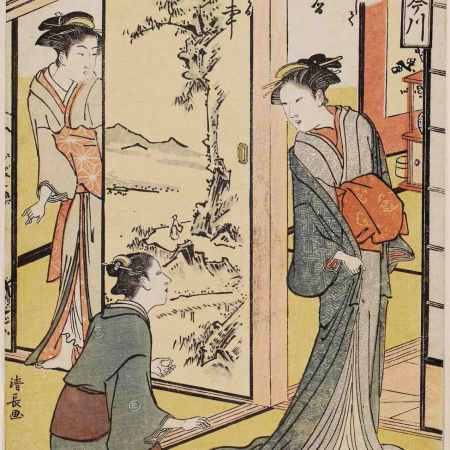
Art of Japan and Kiyonaga: Areas of High Culture

Art of Japan and Fusions of Kamisaka Sekka: Nightfall and the Allure of Buddhist Monks and Shintoism

Art of Japan and Yorozu Tetsugoro: Creativity and Freedom

Art and Folklore of Japan: Mischievous Nature of the One Legged Umbrella Ghost
Art of Japan and Refinement of Bijinga and Nishiki-e: Beauty of Torii Kiyonaga
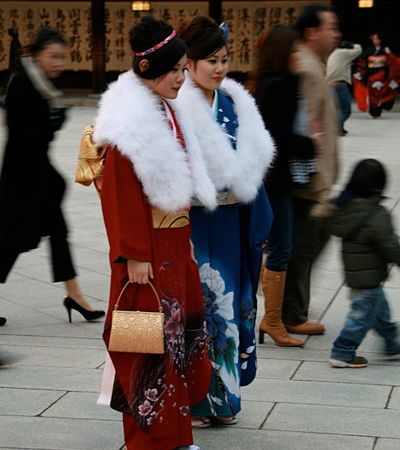
Art of Japan and Tokyo Ladies: Ghosts of the Past Remain within A Living Tradition
Fujishima Takeji and Japanese Art: Romanticism and Impressionism of European Art
Art of Japan and Kamisaka Sekka: Richness of Japanese Art and Culture
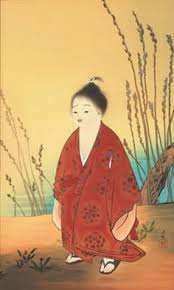
Japanese Art and Yokoyama Taikan: Loyalty, Nationalism and Creativity

Japan Art, Culture, Folklore and Warrior Monk Benkei: Buddhism, Shintoism and Yamabushi
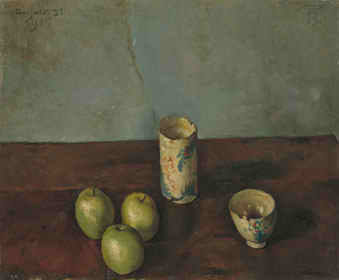
Japanese Art, Still Life, Pythagoras and Plotinus: Kishida, Koide and Utsumi
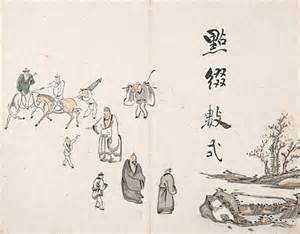
Northeast Asia Art and Impact on Japan: Edo Era and Bunjin Culture

Japan Art and Fusions of Sekka by Sawako Utsumi: Buddhist Monks, Shinto and Nightfall

Japanese Art, Culture and Poetry: Ono no Komachi
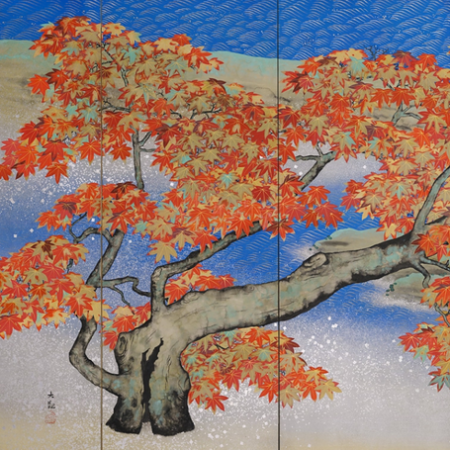
Japanese Art in the Nationalist Era: Loyalty of Yokoyama Taikan

Art of Japan and Meiji Ukiyo-e: Times of Change (1868-1912)

Japanese Art and the Revolutionary Flow that Inspired Asai Chu
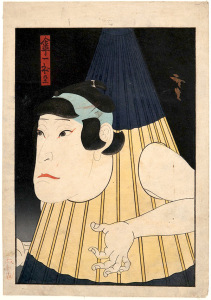
Japanese Art and the One Legged Umbrella Ghost: Mischievous Spirit of Kasa-Obake

Japanese Art with Ronin Gallery in New York: Edo Art to Contemporary
Art of Japan and Cultural Changes during the Lifetime of Yoshu Chikanobu (1838-1912)

Kamisaka Sekka and Art of Japan: Rimpa and Creativity of New Ideas
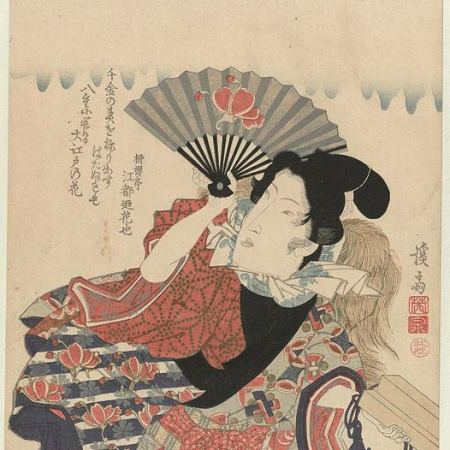
Japanese Art and the Reality of Life in the Edo Period: Keisai Eisen and Early Years

Art of Japan and Bunjin Ideas in the Edo Period: Richness of China, Japan and Korea
Yorozu Tetsugoro and Japanese Art: Impact of Iwate and Tokyo

Richness of Japanese Art: Ito Shinsui
Meiji Art in Japan (1868-1912) and its Rich Legacy
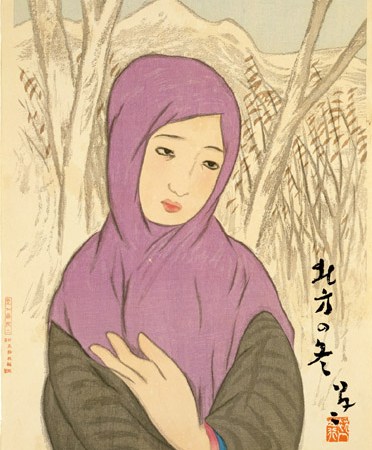
Japan Art, Taisho Romanticism and Death: Yumeji Takehisa and Shadow of Shusui Kotoku

Kamisaka Sekka and Japanese Art: Rimpa and Culture despite Rapid Historical Changes

Japanese Culture and Waka Poetry: Art, Myths and Ono no Komachi

Japanese Art and Folklore: Tengu and World of Spirits in the Art of Kawanabe Kyosai

Tokyo Ladies and Style of Women in Japanese Art
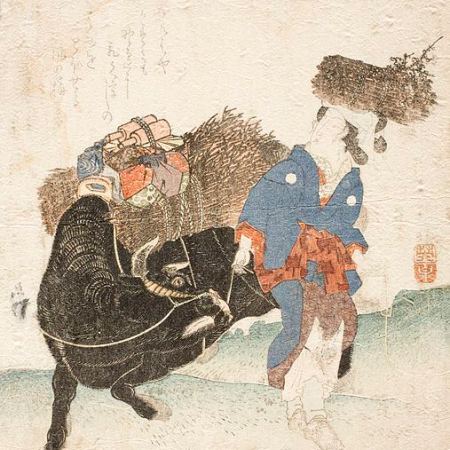
Art of Japan and Informative Years of Keisai Eisen
Ito Shinsui and Japanese Art: Landscapes, Bijinga and Shin Hanga

Asai Chu and New Wave of Japanese Art

Japanese Art in the Meiji Period

Art of Japan and Keisai Eisen: Sorrow and Strength at a Tender Age

Japan Art, Spirits and Fusion by Hirosada: Kasa-Obake, the One Legged Umbrella Ghost

Art of Japan: Sorrow of the Final Years of Yumeji Takehisa

Bunjinga and Japanese Art: Cultural Influence of China and Korea in the Edo Period

Japanese Art and Samurai Taira no Tadamori
Kamisaka Sekka and Art of Japan: Changing Sands and Rimpa

Japanese Art and Culture: Ono no Komachi, Poetry and Myths

Torii Kiyonaga and Japanese Art: Bijinga and Nishiki-e
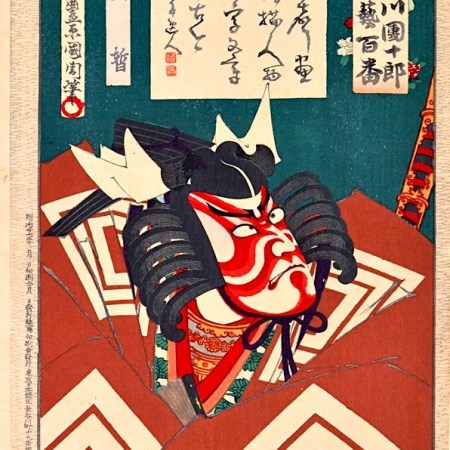
Kunisada and Kunichika – Two Men of the Stage
Art of Japan and Traditional Fashion: Ito Shinsui and Bijinga
Yorozu Tetsugoro and Art of Japan: Famous Son of Iwate
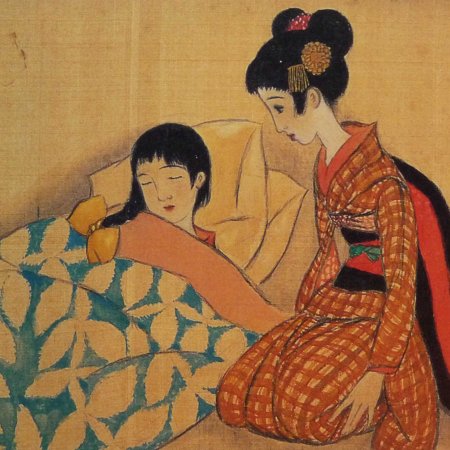
Yumeji Takehisa and Japanese Art: Taisho Romanticism and Shadow of Shusui Kotoku

Japanese Meiji Art and Onset of Change (1868-1912)
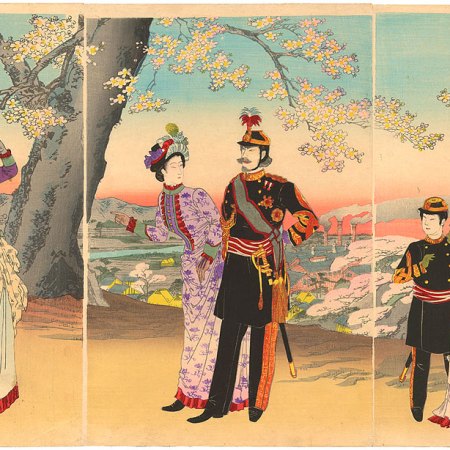
Yoshu Chikanobu and Japanese Art: Culture and Change
Japanese Ladies in Ukiyo-e Art and Modern Tokyo Ladies in Traditional Dress

Keisai Eisen and Japanese Art: Early Impact
Art of Japan and Bunjinga (Nanga): Edo Period and Influence of China and Korea
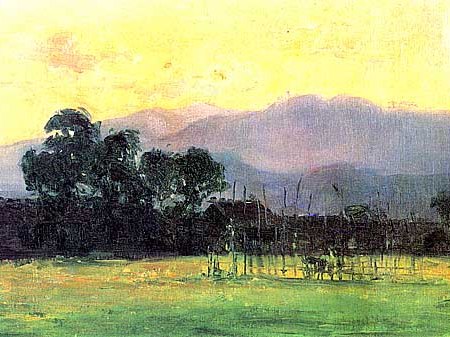
Asai Chu and Japanese Art: Eclipse of Ukiyo-e

Japanese art and Kamisaka Sekka: Rimpa and Modernism

Japanese Art and Josetsu: China and Japan Relations based on “Catching a Catfish with a Gourd”
 Modern Tokyo News